Material guide
Compare roofing materials before you build or replace
No material is universally best. The right roofing material depends on the building design, structural requirements, budget, appearance, maintenance expectations, site conditions and intended use.
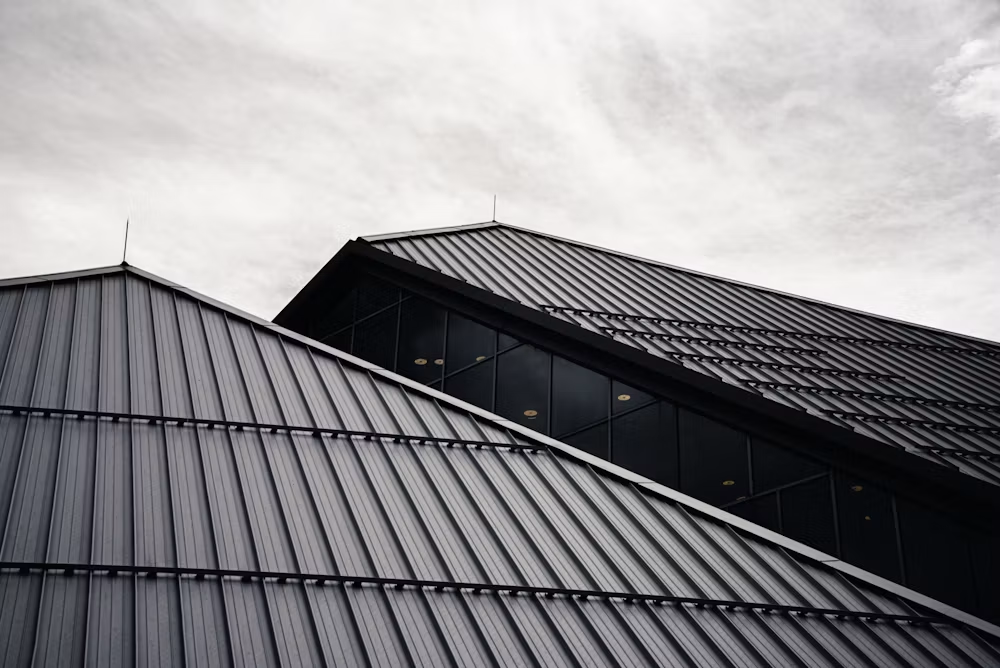
Box-profile & long-span metal
Deeper trapezoidal ribs, often cut to the full slope length so there are no end laps.
Strengths: spans further between supports, fewer laps to leak, suits large roof areas.
Watch: transporting and lifting long sheets, support spacing, thermal movement.
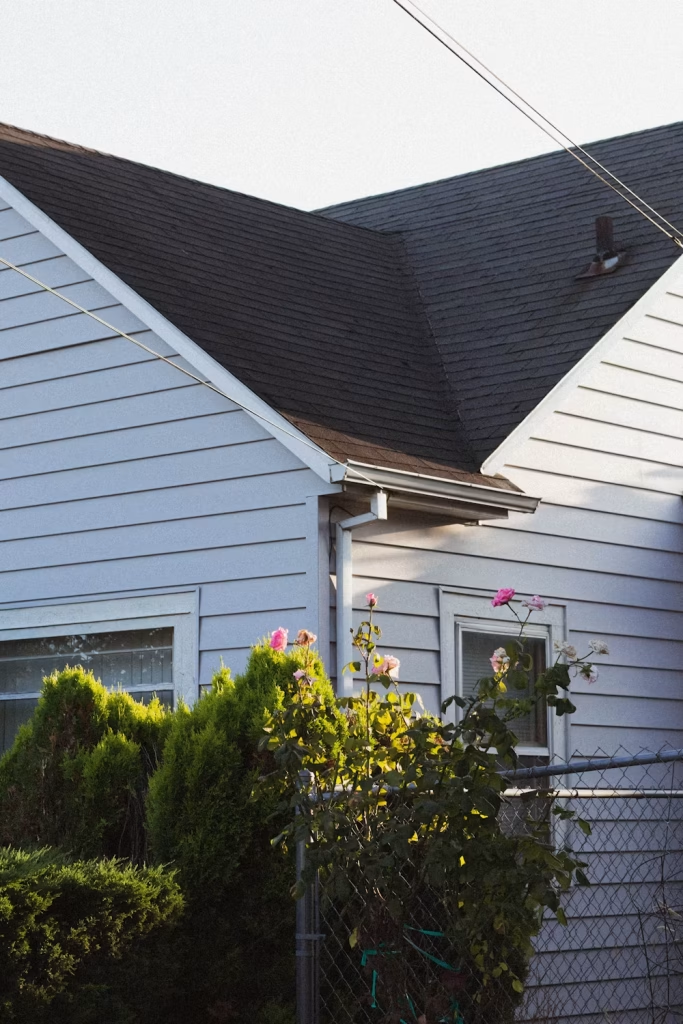
Stone-coated steel
A pressed steel panel finished with bonded stone granules, made to read as tile or shake from the ground.
Strengths: tile appearance at a fraction of tile weight, concealed or clipped fixing.
Watch: system-specific accessories, granule loss, installer familiarity.
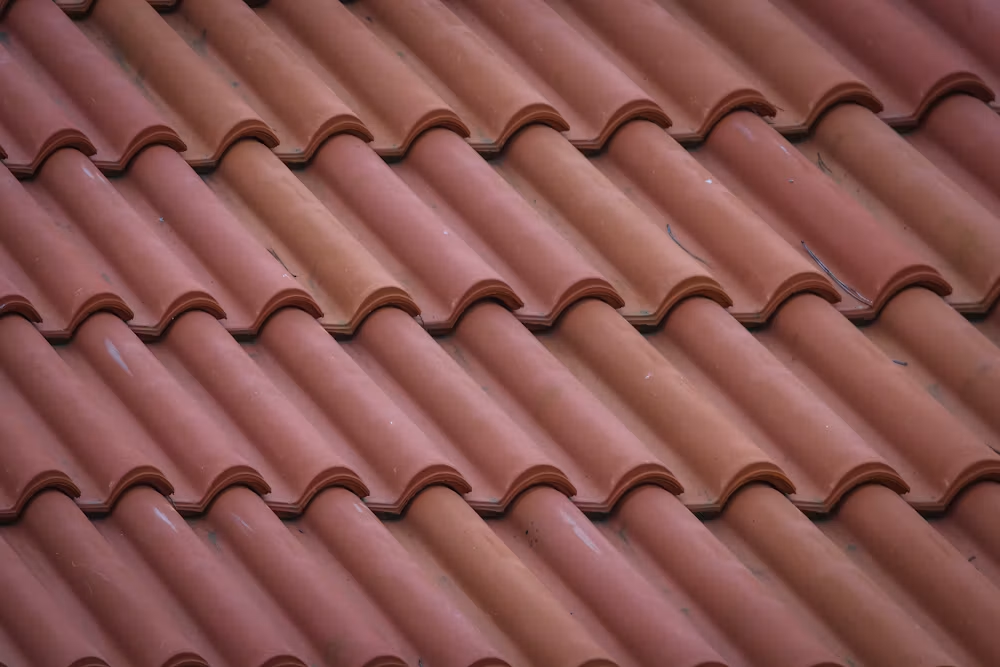
Clay tiles
Fired clay tiles laid on battens, interlocking or plain depending on the profile.
Strengths: colour that comes from the material itself, solid feel, individually replaceable.
Watch: weight must be designed into the structure, minimum pitch, breakage.
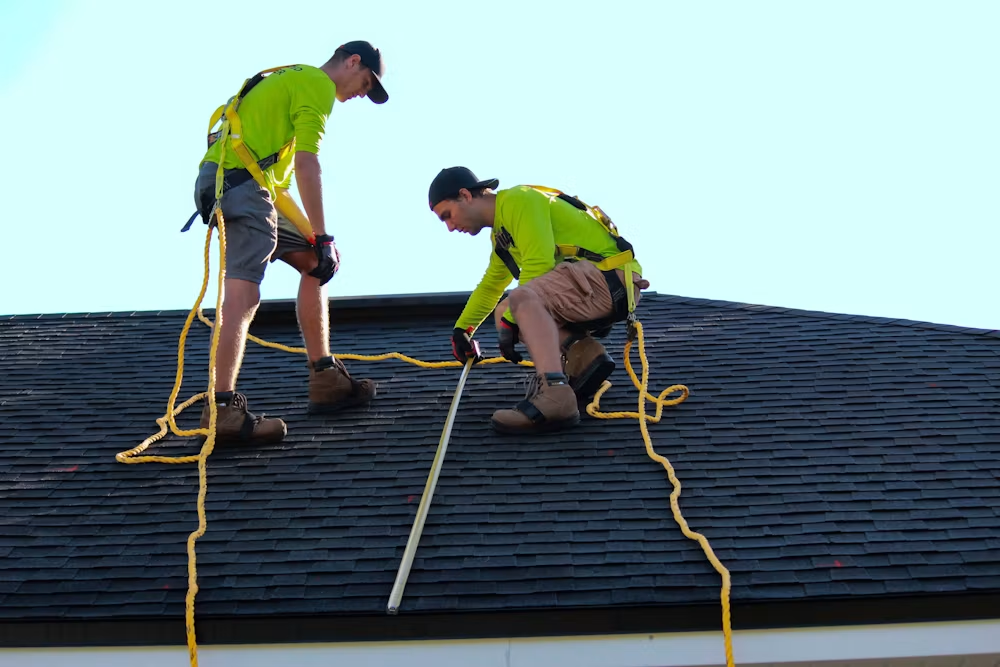
Concrete tiles
Moulded concrete tiles, typically in a wider range of profiles and colours than clay.
Strengths: robust, widely produced, consistent sizing, individually replaceable.
Watch: heavy — structure and batten spacing must suit; surface colour can weather.
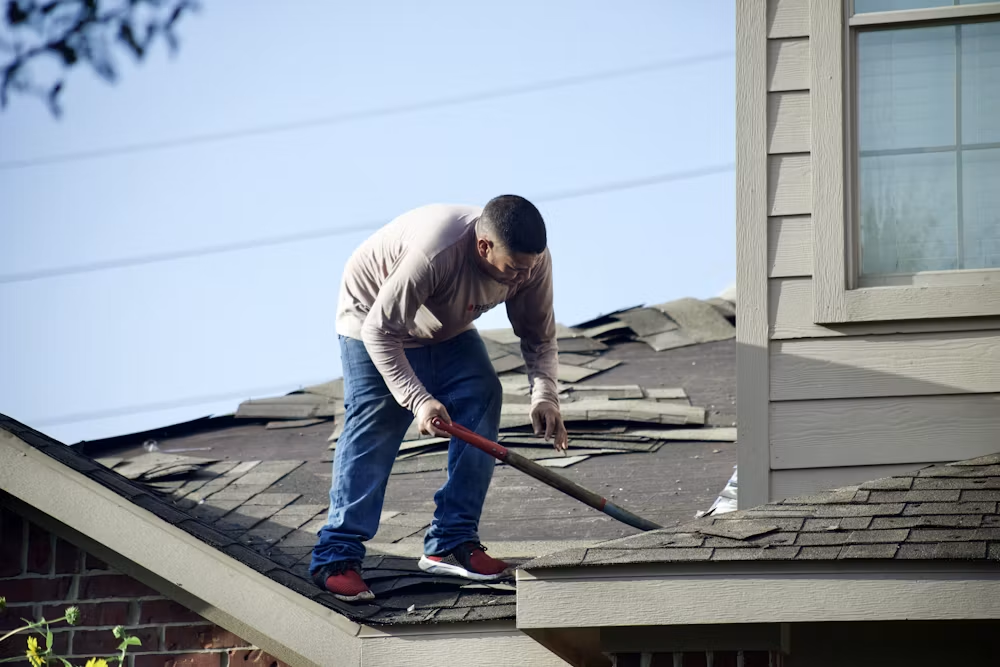
Asphalt shingles
Flexible bitumen-based shingles nailed to a continuous deck over an underlay.
Strengths: follows curved and complex roof shapes, quiet in rain, neat detailing.
Watch: needs a full deck and underlay; pitch and workmanship are critical.
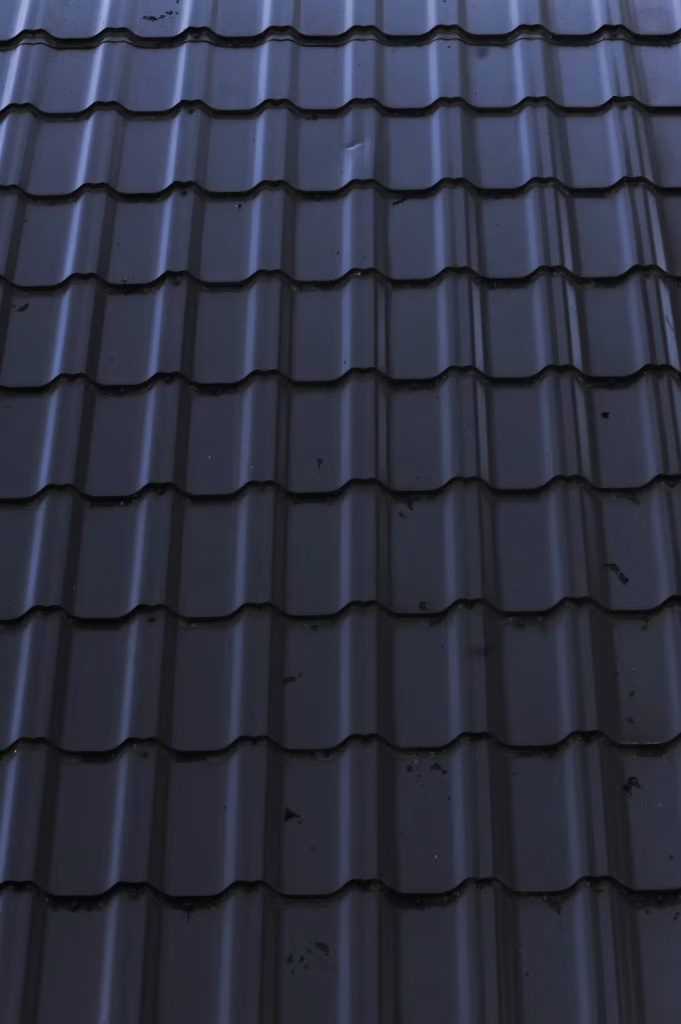
Corrugated metal (mabati)
Strengths: light on the structure, quick to install, widely available, repairable sheet by sheet.
Watch: gauge and coating quality, fixing discipline, noise during rain.
Profiled steel sheeting, usually pre-painted or galvanised. The most widely used covering in Kenya, from homes to farm buildings.
Roofing options compared
| Roofing option | Typical use | Key advantages | Important considerations | Maintenance |
|---|---|---|---|---|
| Corrugated metal | Homes, rentals, farm and light industrial buildings | Light, fast to install, widely stocked, sheet-level repairs | Gauge and coating quality; exposed fasteners; rain noise | Check fixings and laps; keep gutters clear |
| Box-profile metal | Large residential spans, warehouses, halls | Greater span between supports; fewer end laps | Transport and lifting of long sheets; site access | Inspect ridge and flashing lines; clear outlets |
| Stone-coated steel | Residential roofs wanting a tile look | Tile appearance without tile weight | System-specific accessories; installer experience | Limit foot traffic; clear granules from gutters |
| Clay tiles | New homes designed for a tiled roof | Material colour; solid feel; tile-by-tile replacement | Structural weight; minimum pitch; breakage; labour | Replace slipped tiles; check ridge bedding |
| Concrete tiles | New homes and estates; wide profile choice | Robust, consistent, widely produced | Heavier still; batten spacing; surface weathering | Clear moss and debris; replace broken tiles |
| Asphalt shingles | Complex or curved roof shapes | Follows shape; quiet; neat hips and valleys | Needs full deck and underlay; workmanship critical | Check for lifted shingles after storms |
Not sure which material suits your roof?
Send the building type, roof shape and what matters most to you, and we will recommend options with their trade-offs.