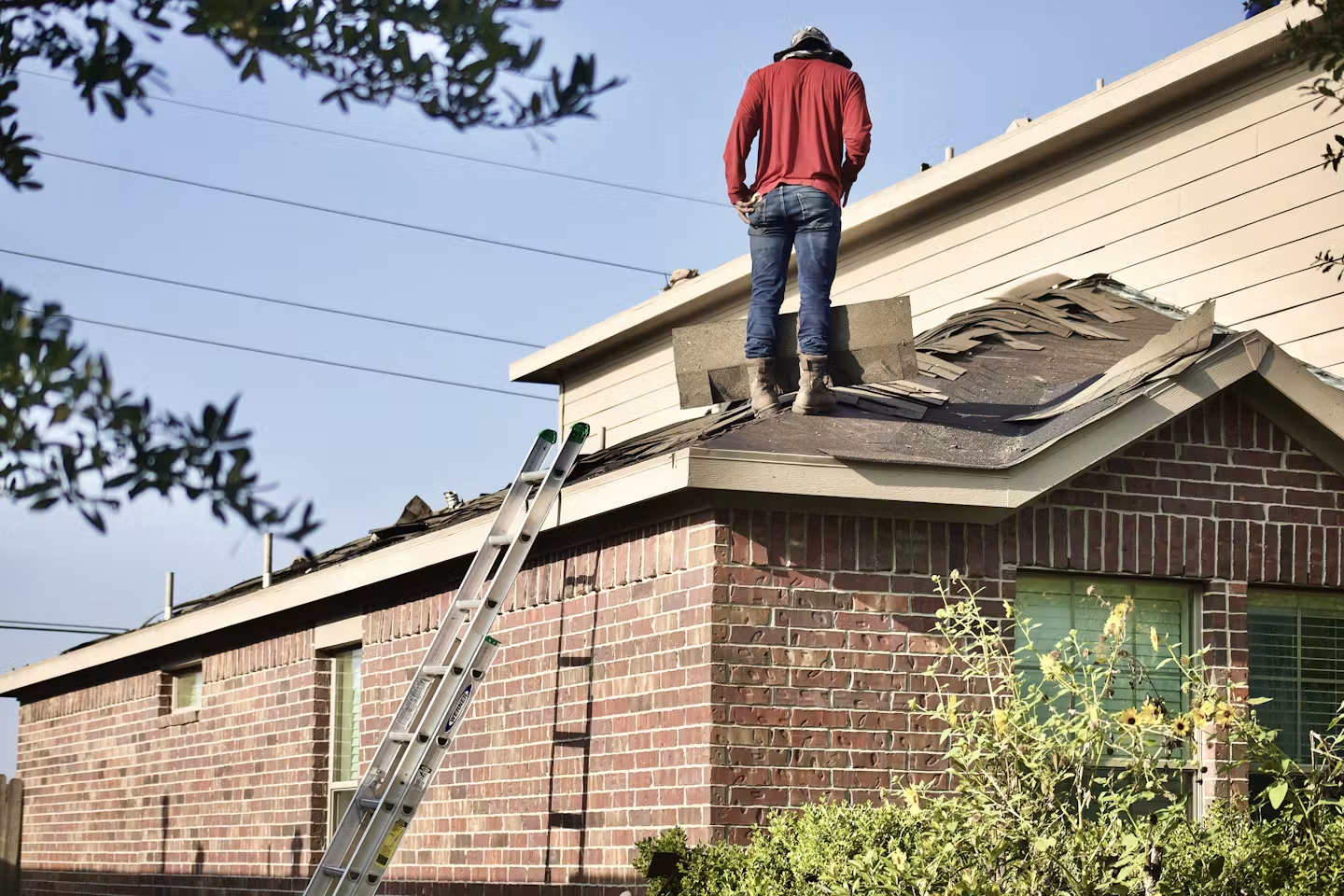
Professional roofing solutions for homes & businesses in Kenya
Installation, replacement and repair — planned around your building's design, structure, budget and the conditions it will live in. We start with the building rather than the product.
Or call +254 720 750 667 to talk through your project.
Roofing should do more than keep out the rain
A roof is the part of a building most exposed to weather, and the hardest to correct once it is wrong. Material, the structure carrying it, pitch, drainage and the way details are finished decide whether it performs for three years or thirty.
That is why we start with the building rather than the product.
Weather protection
Correct falls, flashings and laps shed driven rain rather than catching it.
Durable framing
A structure sized for the covering's weight, wind and the local span.
Moisture management
Underlay, ventilation and drainage that keep water moving away.
Energy performance
Colour, insulation and airflow decide how hot upper rooms become.
Water shedding
Pitch and profile work together so rain leaves before it can pond.
Rainwater drainage
Gutters and downpipes sized for the heaviest downpours.
Thermal and weather resistance
Coatings and fixings that survive sun, salt air and storms.
Ownership and maintenance
What to inspect each season, and what lasts without attention.
What we do
Residential, commercial and construction-stage roofing. Scope and quoting are planned around the building, with material and labour itemised separately.
Roof installation
New build or extension? We install profiled steel, stone-coated and tile roofs from structure to ridge.
Ask about installationRoof replacement
An old covering that has reached its end? We strip back, inspect the structure and re-roof properly.
Request replacementRoof & leak repair
Find the source of the leak and repair it — not just the visible damp patch. Water travels.
Send repair detailsSteel sheet cutting
Pre-cut steel sheets to length on request, with cleaner edges, less waste and fewer site cuts.
Ask about cuttingTile & stone-coated roofing
Clay, concrete and stone-coated tile systems set out on battens with the right fixings.
Ask about tilingLong-span roofing
Long sheets cover wider bays with fewer laps — and fewer places water can find a way in.
Ask about long spansRoof waterproofing
Flat concrete decks, terraces and parapet roofs sealed with membranes and designed falls.
Discuss waterproofingGutters, fascia & soffit
Rainwater goods profiled, fitted and aligned to handle the rains and finish the edge.
Add gutters to a buildInsulation & ventilation
Heat build-up reduced with insulation and airflow, so upper rooms stay cooler after 3 pm.
Ask about ventilationInsurance & maintenance
After-rains visits check laps, sealants and flashings before small issues become claims.
Request a maintenance visitCommercial & industrial
Warehouses, factories and institutional roofs installed and maintained, with the access they require.
Discuss a commercial roofMaterial supply
Profiled sheets, tiles, underlay, ridges and fixings sourced from recognised fabricators.
How quantities are worked outWhich roof is right for your building?
Start from the situation you are actually in. Each of these leads to a different first question.
Compare roofing materials before you build or replace
No material is universally best. The right covering depends on the building design, structural requirements, budget, site conditions, maintenance expectations, and the weight and rainfall the roof will carry.

Corrugated metal (mabati)
Deep-pan corrugated sheets, usually pre-painted galvanised steel, are the most common covering in Kenya.
- Strengths:
- Light gauge, low cost, fast to lay, widely available and easy to transport upcountry.
- Weaknesses:
- Narrow cover width; fix through the crowns; wide profiles can show oil-canning.
- Maintenance:
- Replace damaged sheets, keep gutters clear and inspect fixings after storms.

Box-profile & long-span metal
Flat pans between narrow ribs, sharper lines than corrugated sheets, often laid in longer lengths.
- Strengths:
- Wider cover, fewer side laps; long sheets mean fewer end laps and a clean look.
- Weaknesses:
- Needs accurate purlin spacing and careful handling; dents and under-laying show.
- Maintenance:
- Inspect fixings and flashings; keep valleys and gutters clear.

Stone-coated steel
Steel tile profiles coated with stone granules, giving a tiled look at a fraction of the weight.
- Strengths:
- Lighter than clay, long warranty class, quiet in rain and wind-resistant when battened correctly.
- Weaknesses:
- Must be set out to the manufacturer's module; unforgiving of a wavy structure; premium price.
- Maintenance:
- Check end laps and exposed fixings; keep valleys free of leaves.

Clay tiles
Pressed or extruded clay tiles — the oldest of the common Kenyan roof finishes.
- Strengths:
- Long life, heat and UV resistance, repairable, classic appearance, will not corrode.
- Weaknesses:
- Heavy — the structure must be designed for the load; breakage on site; steeper pitch.
- Maintenance:
- Replace cracked tiles; check battens, underlay and ridge mortar.

Concrete tiles
Mortar tiles pressed in a wide range of profiles and colours.
- Strengths:
- Lowest cost of the heavy tiles, durable and wind-stable, good thermal mass.
- Weaknesses:
- Heaviest common covering; colour fade and efflorescence possible; needs strong structure.
- Maintenance:
- Inspect ridge mortar and broken tiles; keep valleys clear.

Asphalt shingles
Overlapping bituminous shingles fixed to a continuous deck, common in imported specifications.
- Strengths:
- Versatile look, fast over decking, low cost of the pitched finishes, easy to flash.
- Weaknesses:
- Heat softens them in hot regions; deck and underlay required; shorter life; open-flame risk.
- Maintenance:
- Replace lifted or missing shingles; keep gutters clear.
Roofing options compared
Suitable for a simple square or rectangular plan. Figures are general; a measured take-off provides the detail.
| Roofing system | Typical use | Key advantages | Important considerations | Maintenance |
|---|---|---|---|---|
| Corrugated metal | Homes, sheds and light commercial | Lowest cost, fast laying, easy transport | Narrow cover; fix through crowns | Check gauge and fixings; keep clear |
| Box profile | Modern homes, wider bays | Fewer laps, crisp appearance | Purlin spacing must be exact | Inspect laps, valleys and flashings |
| Stone-coated steel | Pitched homes wanting a tile look | Light, long warranty class, quiet in rain | Batten set-out decides the finish | End laps, valleys and exposed fixings |
| Clay tiles | Permanent homes and estates | Lifespan, heat resistance, repairable | Heavy roof structure; steeper pitch | Cracked tiles, battens, ridge mortar |
| Concrete tiles | Budget heavy-tile builds | Cheapest tiled roof, wind-stable | Heaviest covering; possible fade | Ridge mortar and broken tiles |
| Asphalt shingles | Imported designs over decking | Versatile and quick to detail | Heat, deck requirement, shorter life | Lifted or missing shingles after storms |
A roof is a system, not a sheet
Quotations that only price the covering miss most of the roof. The parts below form a working roof, and a quote should make clear what each includes.
Roof structure
Trusses, purlins, battens
Underlay
Water control under the covering
Roofing material
Sheets, panels or tiles, on the roof
Flashing
Valleys, upstands, junctions
Ridge & hips
Where slopes meet, sealed and capped
Gutters
Collect water at the eaves
Downpipes
Send the water away from the base
How much does roofing cost in Kenya?
Roofing cost is not a single figure: it is the sum of the covering, the structure that carries it, labour, accessories such as flashings, ridge caps and gutters, transport to site, and whatever the site requires for access and specification.
We do not publish a rate per square metre, because a number quoted without your roof area, pitch, material and site conditions would be a guess.
Materials
The covering, its profile and gauge, plus underlay and the 10% waste a cut-up roof really needs.
Structural work
Trusses, purlins and battens in timber or steel, sized for the covering's weight and the span.
Labour
Driven by area, pitch, complexity and height. Hips, valleys and dormers cost more per square than a plain gable.
Accessories
Ridge and hip caps, valleys, closures, sealants, gutters and fixings — the most commonly under-quoted line.
Transport
Distance to site, road condition and sheet lengths. Long spans need a vehicle that carries them intact.
Site requirements
Scaffolding and safe access, working around an occupied building, the weather window and disposal.
How a roofing project runs
The sequence varies with the work — a single leak repair compresses these steps into one visit, while a new build follows the full path.
Contact us
Call, WhatsApp or use the quote form.
Understand your roof
Building type, stage, problem, known dimensions and urgency.
Site assessment
Where the roof, structure, decks and stormwater are checked.
Roofing recommendation
Options with trade-offs, with a fixed scope and quantities.
Quotation
Itemised, labour and materials separated, valid for a stated period.
Material & project preparation
Order, delivery sequencing, site tasks and protection.
Installation or repair
Weather, access, storage and rubbish handled as part of the works.
Inspection
Ridges, laps, valleys, fixings, flashings, gutters and downpipes.
Handover
What was done, what to watch for, how to maintain it.
Is your roof leaking?
Sealing the visible damage is the most common roof repair, and the most common reason leaks come back. Water travels: it can enter at a ridge and appear over a completely different room. We trace the source first, then repair the cause.
Common causes include damaged sheets, failed flashing, blocked valleys and gutters, loose fasteners, deteriorated sealants, poor original installation and age-related wear.
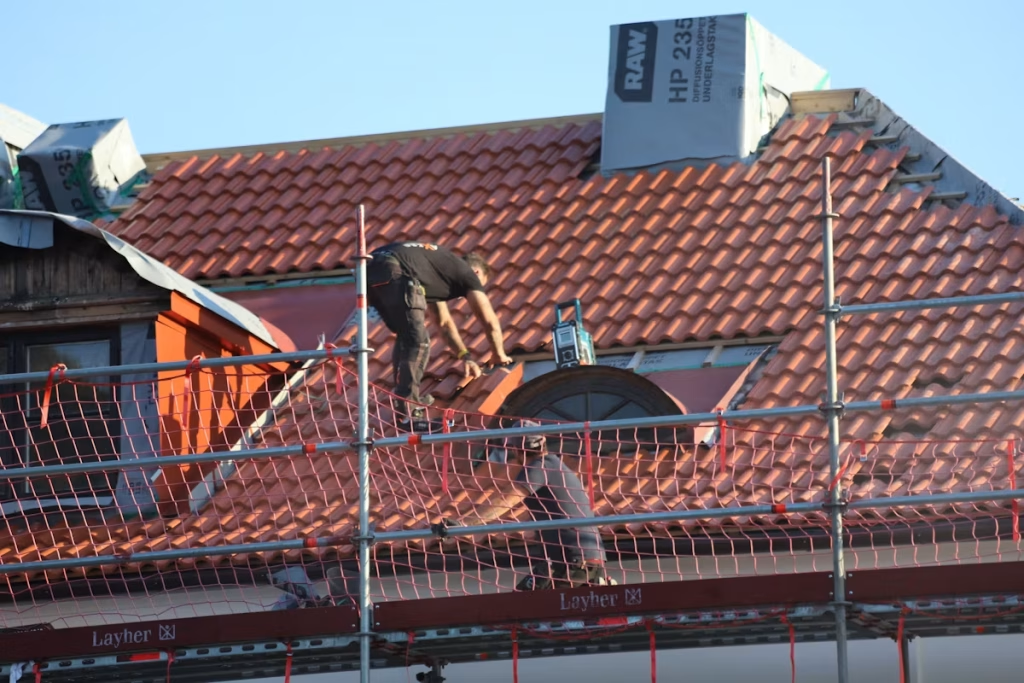
10 things to check before choosing a roofing contractor
Use this before you sign anything — including with us.
The kinds of roof we work on
Example settings, not a complete list — if it keeps rain off a building, we work on it.

Residential installation
New homes, extensions and verandas — pitched roofs designed around the building, not a product.

Roof replacement
Recovering older buildings: we open the structure, report what we find, and put on a system that drains.

Commercial & industrial
Warehouses, factories, shops and institutional roofs, including access and maintenance.

Repairs & maintenance
Leak diagnosis, emergency make-safe, after-rains checks, gutters and ridge work.
What to expect from your roofing project
We have not published testimonials or ratings, because we will not write reviews we have not received. Here is what we commit to instead.
A measured quotation
Taken off the actual roof area and specification, itemised, with labour and materials separated.
Options, with trade-offs
Where more than one system suits the building, you get the comparison rather than a single recommendation.
A named contact
One person who knows your project, from the site visit through to handover.
Changes in writing
If the structure turns out worse than expected, you see the revised scope and cost before work continues.
A handover walk-through
What was installed, what to inspect each season, and how to keep drainage clear.
A tidy site
Offcuts, old sheeting and fixings removed — loose fasteners around a home are a hazard, not a detail.
Roofing questions, answered
Questions that come up before a build, a replacement or a repair. For leaks, start with the roof repair page.
Prefer to talk? Request a quote or call +254 720 750 667.
Tell us about your roofing project
The more you can tell us about the building, the more accurate the quotation. If you are reporting a leak, photographs of the roof and of the ceiling below help a great deal. A name, phone number, type of project and consent to be contacted are all we need to make a start.
Nairobi, Kenya · site visits by appointment